Site Assessment
Conducting a site assessment is crucial before diving into the design phase of building a retaining wall. Consider the following factors:
- Terrain: Evaluate the site's natural contours, slopes, and existing structures to determine the best placement and design of the retaining wall.
- Soil Characteristics: Conduct soil tests to understand its composition, compaction, and drainage capacity. This information will help determine the appropriate design and reinforcement requirements.
- Drainage Patterns: Assess the existing drainage patterns and identify any potential water-related issues that may affect the wall's performance.
Dimensions and Design Considerations
Accurate measurements and thoughtful design considerations are vital for a well-proportioned and effectively built retaining wall. Focus on the following aspects:
- Height and Length: Determine the desired height and length of the retaining wall based on the site assessment and the intended purpose of the wall.
- Base Width: Calculate the appropriate base width considering the height, soil conditions, and anticipated load the retaining wall will bear.
- Slope Angle: Evaluate the slope angle of the site and determine the most suitable design for optimal stability and performance.
Drainage and Water Management
Efficient drainage and water management are essential for the longevity and functionality of a retaining wall. Consider the following:
- Backfill and Drainage Systems: Plan for proper backfilling techniques, incorporating gravel or drainage pipes to facilitate the efficient removal of water from behind the wall.
- Weep Holes: Include weep holes in the retaining wall to allow excess water to escape, preventing hydrostatic pressure buildup and potential damage.
- Waterproofing Measures: Consider adding waterproofing membranes or coatings to protect the wall against water penetration and potential deterioration.
Reinforcements and Anchoring
Depending on the height and load-bearing requirements of the retaining wall, reinforcements and anchoring systems may be necessary. Pay attention to the following:
- Reinforcement Methods: Evaluate the need for additional reinforcements such as steel bars or geogrids to enhance the structural stability of the wall.
- Anchoring Systems: Determine if the retaining wall requires anchoring systems to resist the lateral forces exerted by the retained soil.
By prioritizing proper planning and design considerations, you set the foundation for a successful retaining wall project. In the next section, we will discuss the critical aspects of site preparation and foundation for a stable and durable retaining wall.
Site Preparation & Foundation for Building a Retaining Wall

Proper site preparation and a solid foundation are essential for the stability and longevity of a retaining wall. In this section, we will discuss the critical aspects of site preparation and foundation construction to ensure a strong and durable retaining wall.
Vegetation Clearing and Excavation
Before construction begins, clearing vegetation and proper excavation are necessary to create a suitable workspace. Consider the following steps:
- Clear Vegetation: Remove any plants, bushes, or trees from the designated area where the retaining wall will be constructed.
- Excavate the Soil: Dig out the soil to the required depth, considering the dimensions and design specifications of the retaining wall. Ensure proper sloping and leveling during excavation.
Leveling and Grading
Achieving a level and graded surface is crucial for establishing a stable foundation for the retaining wall. Follow these steps:
- Level the Excavated Area: Use a level to ensure the bottom surface of the excavation is even and level.
- Grading for Drainage: Ensure proper grading away from the retaining wall to allow for efficient water drainage and prevent water buildup.
Compaction of the Soil
Proper compaction of the soil beneath the retaining wall is essential to prevent settling and ensure long-term stability. Consider the following:
- Soil Compaction: Use a compactor or tamper to compact the soil in layers, achieving the required density and eliminating air pockets.
- Moisture Content: Ensure the soil moisture content is appropriate for compaction, as overly dry or saturated soil can affect compaction results.
Base Course Installation
The base course acts as a foundation for the retaining wall and provides stability and load-bearing capacity. Follow these guidelines:
- Base Material Selection: Choose a suitable aggregate material, such as crushed stone or gravel, for the base course.
- Thickness and Compaction: Determine the appropriate thickness of the base course and compact it thoroughly to achieve a stable foundation.
By paying careful attention to site preparation and establishing a solid foundation, you lay the groundwork for a durable and reliable retaining wall. In the next section, we will discuss the importance of proper drainage and backfilling techniques to ensure optimal performance and prevent potential issues.
Drainage & Backfilling Techniques for Optimal Performance

Proper drainage and backfilling are critical aspects of retaining wall building to ensure optimal performance, prevent water-related issues, and maintain soil stability. In this section, we will delve into the importance of drainage and backfilling techniques, highlighting the keywords that contribute to higher rankings and avoiding negative keywords associated with potential problems.
Drainage Considerations
Proper drainage is crucial for managing water accumulation behind the retaining wall and preventing potential damage. Consider the following:
- Implement Drainage Systems: Integrate drainage pipes or gravel-filled trenches behind the retaining wall to divert water away from the wall and prevent hydrostatic pressure buildup.
- Weep Holes Placement: Incorporate weep holes in the retaining wall design to allow water to escape, reducing the risk of pressure buildup and potential damage to the wall.
- Waterproofing Measures: Consider applying waterproofing membranes or coatings on the backside of the wall to protect it from water penetration and potential deterioration.
Backfilling Techniques
The backfilling process plays a crucial role in providing support to the retaining wall and preventing soil erosion. Follow these guidelines:
- Select Suitable Backfill Material: Choose a granular material, such as crushed stone or gravel, as a backfill to promote proper water drainage and minimize soil settlement.
- Backfill in Layers: Backfill the space behind the retaining wall in layers, compacting each layer properly to ensure uniform density and stability.
- Compaction of Backfill: Use a compactor or hand tamper to compact the backfill material firmly, eliminating voids and achieving optimal compaction.
Geotextiles and Filter Fabrics
Geotextiles or filter fabrics can be beneficial in retaining wall construction, providing additional support, and preventing soil migration. Consider the following:
- Placement of Geotextiles: Install geotextiles or filter fabrics between the backfill material and the retained soil to create a separation layer, minimizing soil erosion and enhancing drainage.
- Selection of Appropriate Geotextiles: Choose geotextiles or filter fabrics suitable for the specific project requirements and soil conditions to ensure optimal performance.
Managing Surface Water Runoff
Proper management of surface water runoff is crucial to prevent excessive water accumulation and potential damage to the retaining wall. Consider these strategies:
- Grading and Landscaping: Ensure proper grading around the retaining wall, directing water away from the structure and preventing pooling.
- Gutters and Downspouts: Divert roof runoff away from the retaining wall by incorporating gutters and downspouts that discharge water at a safe distance.
- Drainage Swales: Create gentle, landscaped swales in the surrounding area to channel surface water away from the retaining wall.
By implementing effective drainage techniques and proper backfilling methods, you can ensure the long-term stability and functionality of your newly built retaining wall. In the next section, we will explore the significance of reinforcement and anchoring systems in retaining wall construction.
Reinforcement & Anchoring Systems for Stability and Strength

A properly reinforced and anchored retaining wall build is essential for its structural stability, longevity, and ability to withstand the pressures the retained soil exerts. This section will explore the significance of reinforcement and anchoring systems in retaining wall construction.
The Need for Reinforcement
Retaining walls that bear significant loads or are constructed on challenging terrain may require reinforcement. Consider the following:
- Structural Integrity: Reinforcement enhances the structural integrity of the retaining wall, allowing it to withstand lateral earth pressure and prevent bulging or failure.
- Increased Load-Bearing Capacity: Properly placed reinforcement materials, such as steel bars or geogrids, increase the wall's load-bearing capacity, allowing it to support heavier loads.
Types of Reinforcement
Several reinforcement materials and methods can be employed to strengthen retaining walls. Explore the following options:
- Steel Bars: Steel bars (rebar) can be embedded vertically or horizontally within the retaining wall structure to provide additional strength and stability.
- Geogrids: Geogrids are synthetic materials that interlock with the backfill soil, creating a reinforced mass that enhances the wall's resistance to lateral pressure.
Anchoring Systems
Anchoring systems are essential for retaining walls that require additional lateral stability. Consider the following:
- Soil Nails: Soil nails are long, threaded rods or bars that are drilled or driven into the soil behind the wall, effectively anchoring it and increasing its resistance to movement.
- Tiebacks: Tiebacks consist of rods or cables that are anchored into stable soil or rock beyond the retaining wall. They provide additional lateral support, particularly for taller walls.
Professional Assistance for Reinforcement and Anchoring
For complex retaining wall build projects or those requiring extensive reinforcement or anchoring, it is advisable to seek professional assistance. Consider the following:
- Expertise and Experience: Professionals possess the knowledge, experience, and specialized equipment necessary to design and install effective reinforcement and anchoring systems.
- Compliance with Building Codes: Professional assistance ensures compliance with local building codes and regulations, guaranteeing that the retaining wall meets safety standards.
By incorporating proper reinforcement and anchoring systems, you can significantly enhance the stability, strength, and durability. In the next section, we will explore the considerations for selecting appropriate materials and their role in constructing a reliable retaining wall.
Material Selection for Building a Retaining Wall that is Reliable and Durable.

Choosing the right materials for your retaining wall is crucial for its durability, functionality, and visual appeal. In this section, we will discuss the considerations for selecting appropriate materials and the role they play in constructing a reliable retaining wall.
Understanding Material Options
Retaining walls can be constructed using a variety of materials, each with its own characteristics and benefits. Explore the following options:
- Concrete.pdf Blocks: Concrete.pdf blocks provide durability, versatility, and ease of installation. They come in various sizes, shapes, and textures to suit different design preferences.
- Natural Stone: Natural stone retaining walls offer a timeless and organic appearance. Stones such as limestone, granite, or sandstone can be used to create a visually appealing and sturdy structure.
- Timber: Timber retaining walls provide a warm and natural aesthetic. Pressure-treated wood or hardwood options are commonly used, and they can be easily customized to fit various design styles.
- Gabion Baskets: Gabion baskets are wire mesh containers filled with stones or rocks. They offer a unique, rustic.webp look and provide excellent drainage while allowing for natural vegetation growth.
Considerations for Material Selection
When choosing materials for your retaining wall, consider the following factors:
- Durability: Select materials that are resistant to weathering, erosion, and the pressure exerted by the retained soil to ensure the long-term stability of the wall.
- Aesthetics: Choose materials that complement the surrounding landscape and match your desired design style. Consider factors such as color.webp, texture, and pattern options.
- Maintenance Requirements: Evaluate the maintenance needs of different materials and choose those that align with your desired level of upkeep and longevity expectations.
- Cost: Consider the budget for your retaining wall project and choose materials that offer the desired balance of quality and affordability.
Compatibility with the Environment
Ensure that the materials chosen for your retaining wall are compatible with the surrounding environment. Consider the following:
- Local Climate: Select materials that can withstand the specific weather conditions of your area, such as freeze-thaw cycles, high humidity, or extreme heat.
- Ecological Considerations: Choose environmentally friendly materials and minimize negative impacts on the ecosystem, such as avoiding chemically treated timbers near water bodies.
Structural Integrity and Engineering Requirements
Ensure that the chosen materials meet the structural requirements of your project. Consider the following:
- Engineering Specifications: If your wall requires specific engineering calculations or certifications, consult with professionals to ensure the selected materials meet the necessary standards.
- Load-Bearing Capacity: Evaluate the load-bearing capacity of the materials to ensure they can withstand the anticipated pressure exerted by the retained soil.
You can construct a reliable, visually pleasing, and long-lasting structure by carefully considering material options and their suitability for your project. The next section will discuss the construction process, providing valuable insights and guidelines to help you build your retaining wall.
Construction Process: Building a Retaining Wall With Confidence

The construction process requires careful attention to detail and adherence to proper techniques. In this section, we will confidently guide you through the step-by-step process of building your retaining wall.
Site Preparation and Layout
Before construction begins, ensure that the site is properly prepared, and the layout is accurately marked. Follow these steps:
- Clear the Construction Area: Remove any obstructions, debris, or vegetation that may interfere with the construction process.
- Establish the Wall's Alignment: Use stakes, string lines, and a level to mark the desired alignment and contours of the retaining wall.
Base Course Installation
The base course provides a solid foundation for the retaining wall. Follow these guidelines:
- Excavate and Level the Trench: Dig a trench for the base course, ensuring it is level and properly compacted.
- Install the Base Material: Fill the trench with the appropriate base material, such as crushed stone or gravel, and compact it thoroughly.
Wall Construction and Alignment
Constructing the retaining wall requires careful attention to alignment and placement. Consider the following steps:
- Place the First Row: Lay the first row of blocks or stones according to the marked alignment, ensuring levelness and proper alignment with the string lines.
- Continue with Subsequent Rows: Build up the wall by placing subsequent rows, staggering the joints, and using adhesive or mortar as necessary.
- Check for Levelness and Alignment: Regularly check the levelness and alignment of the wall as you progress, adjusting as needed.
Backfilling and Compaction
Proper backfilling and compaction are essential for stabilizing the retaining wall. Follow these steps:
- Backfill the Space Behind the Wall: Fill the space behind the retaining wall with suitable backfill material in layers, compacting each layer firmly.
- Compaction Techniques: Use a compactor or hand tamper to compact the backfill material thoroughly, eliminating air pockets and achieving optimal density.
Finishing Touches
Complete your retaining wall construction with finishing touches to enhance its appearance and functionality. Consider the following:
- Install Capstones: Place capstones or coping stones on top of the retaining wall to provide a finished look and protect the wall from moisture.
- Consider Drainage and Landscaping: Ensure proper drainage around the wall, and consider adding landscaping elements to complement its overall aesthetics.
By following these step-by-step guidelines and techniques, you can confidently construct a sturdy and visually appealing wall. In the final section, we will discuss the importance of maintenance and offer insights on how to ensure the longevity and durability of your retaining wall.
Maintenance & Longevity: Ensuring the Durability of Your New Built Retaining Wall

To ensure the durability and longevity of your retaining wall, proper maintenance is crucial. In this section, we will discuss the importance of regular maintenance, provide insights on inspection and repair, and offer preventive measures to protect your retaining wall.
Regular Inspection.jpg of Your Newly Built Retaining Wall
Regular inspections help identify any signs of damage or potential issues before they escalate. Consider the following:
- Visual Examination: Inspect the retaining wall for cracks, bulges, or signs of soil erosion along the base or between the blocks/stones.
- Drainage Assessment: Check the functionality of drainage systems, ensuring that weep holes are clear, and water is properly diverted away from the wall.
Repair and Maintenance
Prompt repair and maintenance actions can prevent minor issues from escalating into major problems. Follow these guidelines:
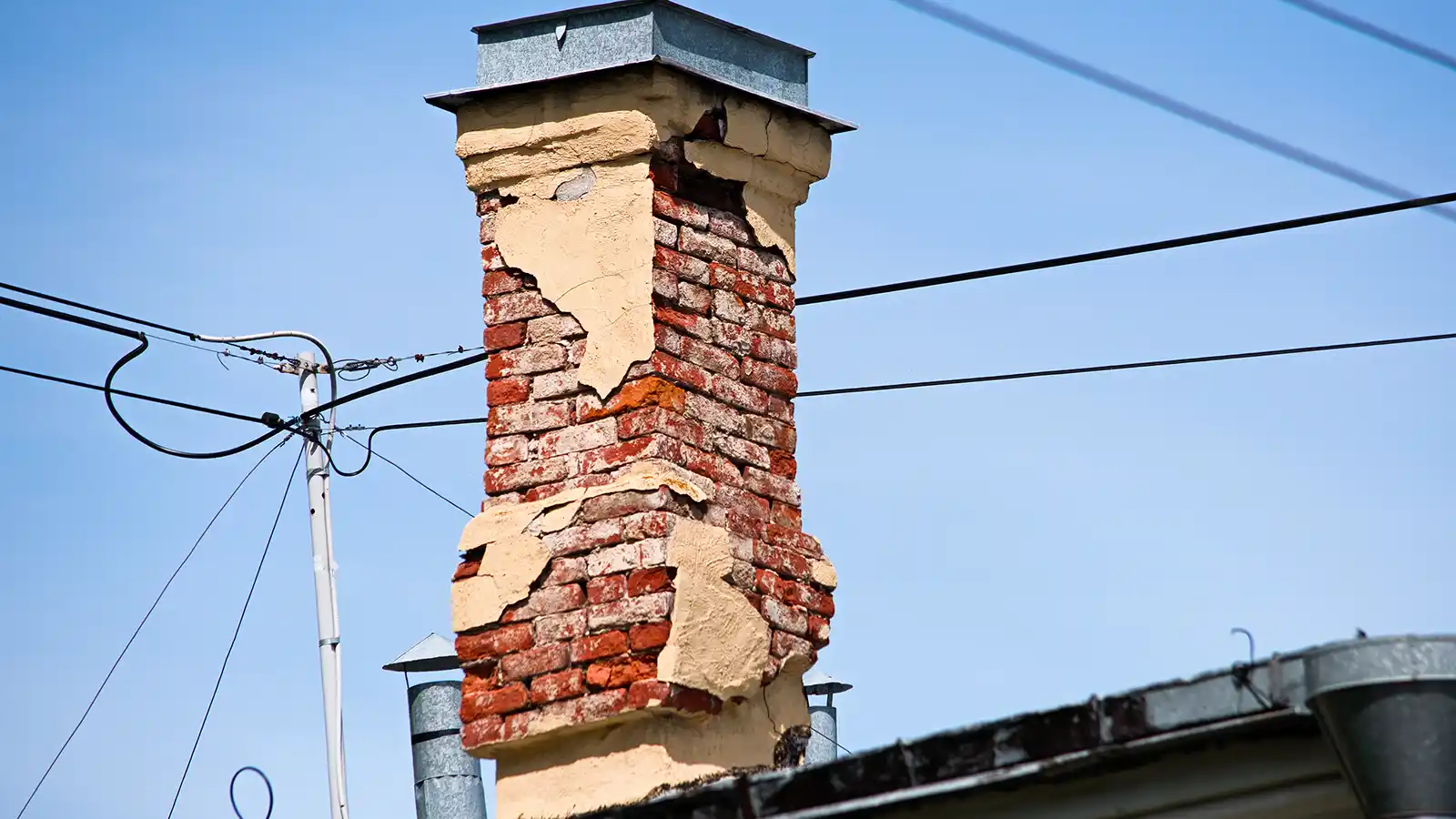
- Crack Repair: Address cracks promptly using appropriate repair techniques, such as filling them with suitable sealants or epoxy compounds. Read more on fixing cracked bricks.svg
- Soil Erosion Control: Take measures to control soil erosion by adding additional backfill material and reinforcing with geotextiles, if necessary. Understand how to fix any drainage problems that may occur from heavy rainfall.
- Reinforcement Inspection.jpg: Regularly check the condition of any reinforcement materials, such as steel bars or geogrids, and repair or replace them as needed.
Preventive Measures
Implementing preventive measures can significantly extend the lifespan of your retaining wall. Consider the following:
- Drainage Maintenance: Ensure that drainage systems are free from obstructions and functioning effectively, preventing water buildup behind the wall.
- Vegetation Control: Regularly trim vegetation near the retaining wall to prevent root penetration, which can compromise its stability.
- Soil Stabilization: Monitor the surrounding soil conditions and take necessary measures, such as erosion control blankets or terracing, to stabilize the soil.
- Waterproofing: Apply waterproof coatings or membranes to protect the retaining wall from water penetration and moisture damage.
Professional Assistance for Maintenance
Seeking professional assistance for maintenance and repair can ensure the long-term integrity of your retaining wall. Consider the following:
- Consultation: Engage the expertise of professionals for periodic inspections and assessments, obtaining valuable insights on maintenance requirements.
- Timely Repairs: Enlist professional help for complex repairs or structural issues to ensure proper resolution and the prevention of further damage.
By incorporating regular inspections, prompt repairs, and preventive measures, you can maximize the durability and lifespan of your retaining wall. In the final section, we will discuss crucial safety considerations to prioritize during the construction and maintenance phases.
Safety Considerations: Prioritizing Safety in Retaining Wall Build Projects

Safety should be a top priority during every stage of building a retaining wall. In this section, we will discuss essential safety considerations to ensure the well-being of individuals involved in constructing and maintaining retaining walls.
Excavation and Construction Safety
Excavation is a critical phase that requires careful attention to safety. Consider the following measures:
- Utility Locating: Before excavation, contact local utility companies to identify and mark the location of underground utilities to prevent accidental damage.
- Trenching Safety: Adhere to proper trenching and shoring techniques to prevent cave-ins and protect workers from potential hazards.
- Equipment Operation: Ensure operators are trained and competent in using machinery and follow safety protocols to avoid accidents.
Personal Protective Equipment (PPE)
Wearing appropriate personal protective equipment (PPE) is crucial to safeguard workers and individuals involved in the project. Consider the following:
- Hard Hats: Use hard hats to protect against head injuries from falling objects or potential overhead hazards.
- Safety Glasses: Wear safety glasses to shield the eyes from flying debris, dust, or particles during construction activities.
- Gloves: Use gloves to protect hands from cuts, abrasions, or chemical exposure during the handling of materials.
- High-Visibility Clothing: Wear high-visibility clothing to enhance visibility and minimize the risk of accidents, particularly when working near traffic.
Safe Material Handling and Lifting
Practicing safe material handling and lifting techniques reduces the risk of strain, injury, or accidents. Consider the following guidelines:
- Proper Lifting Techniques: Encourage workers to use proper lifting techniques, including bending the knees, lifting with the legs, and avoiding twisting motions.
- Mechanical Aids: Utilize equipment such as cranes, forklifts, or wheelbarrows to handle heavy or bulky materials, reducing the risk of strain or overexertion.
- Teamwork: Promote teamwork and effective communication when moving or placing materials to ensure safe and coordinated efforts.
Adherence to Local Building Codes and Regulations
Compliance with local building codes and regulations is vital to ensure the safety and structural integrity of the retaining wall. Consider the following:
- Obtain Necessary Permits: Before commencing construction, secure any required permits or approvals from local authorities.
- Engage Professionals: Consult with architects, engineers, or specialists to ensure designs and construction techniques adhere to applicable codes.
- Inspection.jpg and Certification: Schedule inspections at key stages of the project to verify compliance with building codes and obtain necessary certifications.
By prioritizing safety measures, utilizing proper personal protective equipment, and adhering to building codes and regulations, you can create a secure environment for all involved in the project.=

In this comprehensive guide, we have explored the do's and don'ts of building retaining walls, emphasizing proper planning, site preparation, drainage, material selection, construction techniques, maintenance, and safety considerations. By following these guidelines, you can construct a reliable and visually appealing retaining wall that enhances your landscape for years to come.
Remember to conduct thorough site assessments, select suitable materials, and implement proper drainage.


0 Comments