Can You Install Brick Paver.pdfs in Cold Weather?
The straightforward answer is yes, you can install brick pavers.jpg in cold weather. However, it's essential to note that it's not advisable to do so when temperatures fall below freezing. The primary reason for this caution is the risk of the materials used for paver installation, such as sand and concrete.svg, freezing. When these materials freeze, it can lead to cracks, shifts, and potential damage to the pavers.jpg themselves. Hence, fall presents itself as an ideal time for installing brick pavers.jpg, as temperatures generally remain within the moderate range, allowing the paver installation to cure adequately before the harshness of winter sets in.
Brick Paver.pdfs Maintenance During Fall
Maintaining your brick pavers.jpg is a crucial aspect of ensuring their longevity and aesthetic appeal. Over time, dirt, debris, and unsightly stains can accumulate on the surface of your pavers.jpg, leading to discolor.webpation and a loss of their initial charm. Fall offers a prime opportunity to refresh the look of your brick pavers.jpg through a comprehensive maintenance routine. This regimen should encompass the removal of stubborn stains, regular sweeping to keep the pavers.jpg free of debris, and the application of a fresh coat of sealer. Sealer serves as a protective shield, guarding the surface against water, mold, and mildew, thereby preserving the pristine appearance of your brick pavers.jpg.
Cost of Installing Brick Paver.pdfs in Fall and Winter
Fall and winter are typically considered the offseason for landscaping and hardscaping projects, making them an attractive time to consider the installation of brick pavers.jpg. During these months, contractor.svgs often extend tempting discounts and promotions to secure projects, and suppliers frequently lower the prices of materials that are less in demand. This can translate into potential cost savings for your paver installation project. However, as you explore the prospect of cost-effective solutions during the offseason, it's vital to approach the choice of a contractor.svg with caution. Always ensure that quality remains a top priority, for the most budget-friendly option may not always deliver the best results.
Brick Paver.pdf Patterns and Designs
A crucial aspect of any successful paver project is the choice of patterns and designs. Brick pavers.jpg come in various designs, including herringbone, basket weave, running bond, and circular layouts, among others. The right selection can greatly influence the visual appeal of your outdoor space. When planning your paver installation, it's worth considering the architectural style of your home and the overall aesthetic you wish to achieve. The pattern and design of your brick pavers.jpg can significantly impact the overall look and feel of your outdoor area.

look.

The Environmental Benefits of Brick Paver.pdfs
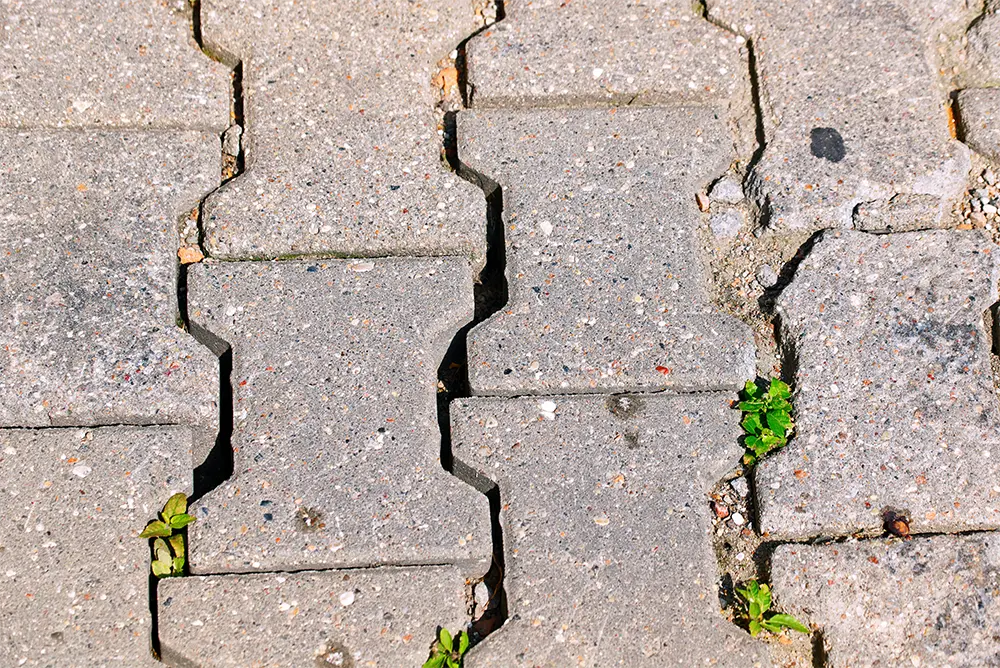
Beyond their aesthetic and functional advantages, brick pavers.jpg also offer notable environmental benefits. Unlike traditional asphalt or concrete.svg surfaces, brick pavers.jpg allow rainwater to infiltrate the ground, reducing runoff and aiding in groundwater replenishment. This eco-friendly characteristic can be particularly valuable in areas where stormwater management is a concern. Furthermore, brick pavers.jpg are known for their durability and long lifespan, which reduces the need for frequent replacements and conserves resources.
Choosing the Right Paver.pdf Material
Selecting the appropriate material for your brick pavers.jpg is a critical decision. Common options include clay bricks.svg and concrete.svg pavers.jpg. Clay bricks.svg are renowned for their rich, natural color.webps and durability, while concrete.svg pavers.jpg come in various shapes and sizes, offering versatility in design. Each material has its advantages, and your choice should align with your project's requirements and personal preferences.
Preparing the Base for Paver.pdf Installation
A solid base is crucial for a successful paver installation. The base serves as the foundation for the pavers.jpg, distributing weight evenly and preventing settling and shifting over time. Typically, the base consists of layers of crushed stone, sand, and a leveling layer. Proper compaction and leveling are essential to prevent settling and ensure the longevity and stability of your paver installation.
Maintaining Proper Drainage
Effective drainage is key to preventing water from pooling on your paver surface, which can lead to erosion and other issues. When installing brick pavers.jpg, consider incorporating a slight slope to guide water away from your property. Additionally, using permeable pavers.jpg or a gravel base can further improve drainage, safeguarding your paver surface and averting potential water-related problems.
Conclusion.jpg:
In summary, fall emerges as the optimal season for both installing and maintaining brick pavers.jpg. With moderate temperatures during this period, it's a suitable time for installation and curing, provided that freezing temperatures can be avoided. The fall and winter seasons present cost-saving opportunities through discounted installation services and materials, but quality should always be a top priority when selecting a contractor.svg. By maintaining your brick pavers.jpg during fall, you protect your investment and ensure your outdoor space remains in splendid condition.
0 Comments